What this covers
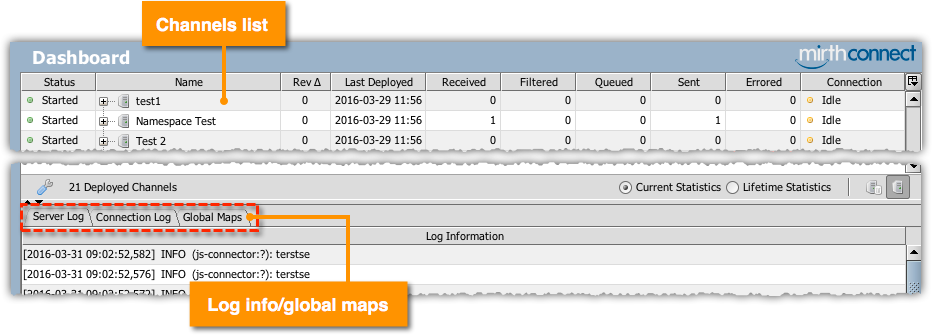
- Healthcare interfaces. HL7 v2 and FHIR messages routed and transformed through Mirth Connect, between clinic systems that each speak their own dialect.
- Logistics and TMS. Pulling orders, loads and invoicing data out of McLeod TMS and into the tools that dispatch, shipping and security teams use every day.
- CRM and operations sync. Keeping sales and production tools, like GoHighLevel and JobTread, in agreement without anyone re-typing a job.
- Public and government data feeds, streamed on demand or imported daily, with inconsistent naming fixed at the source so records don't go silently missing.
- Custom APIs and import/export pipelines for when a vendor's built-in options stop short of what you need.
- Websites wired into the business. Donations, memberships, event ticketing and a member directory in one place, instead of half a dozen disconnected tools.
How we approach it
Most integration problems aren't really about the API. They're about ownership. Before writing code, we decide which system owns each field, map statuses between systems instead of copying them, and draw a clear line where one team's work hands off to the next. That's what keeps two systems from slowly drifting apart.
Usually a good fit when
- Someone on your team copies data from one system into another every day.
- Two systems are supposed to agree, and keep drifting apart.
- A vendor says "we have an API," and nobody has the time to put it to work.