What this covers
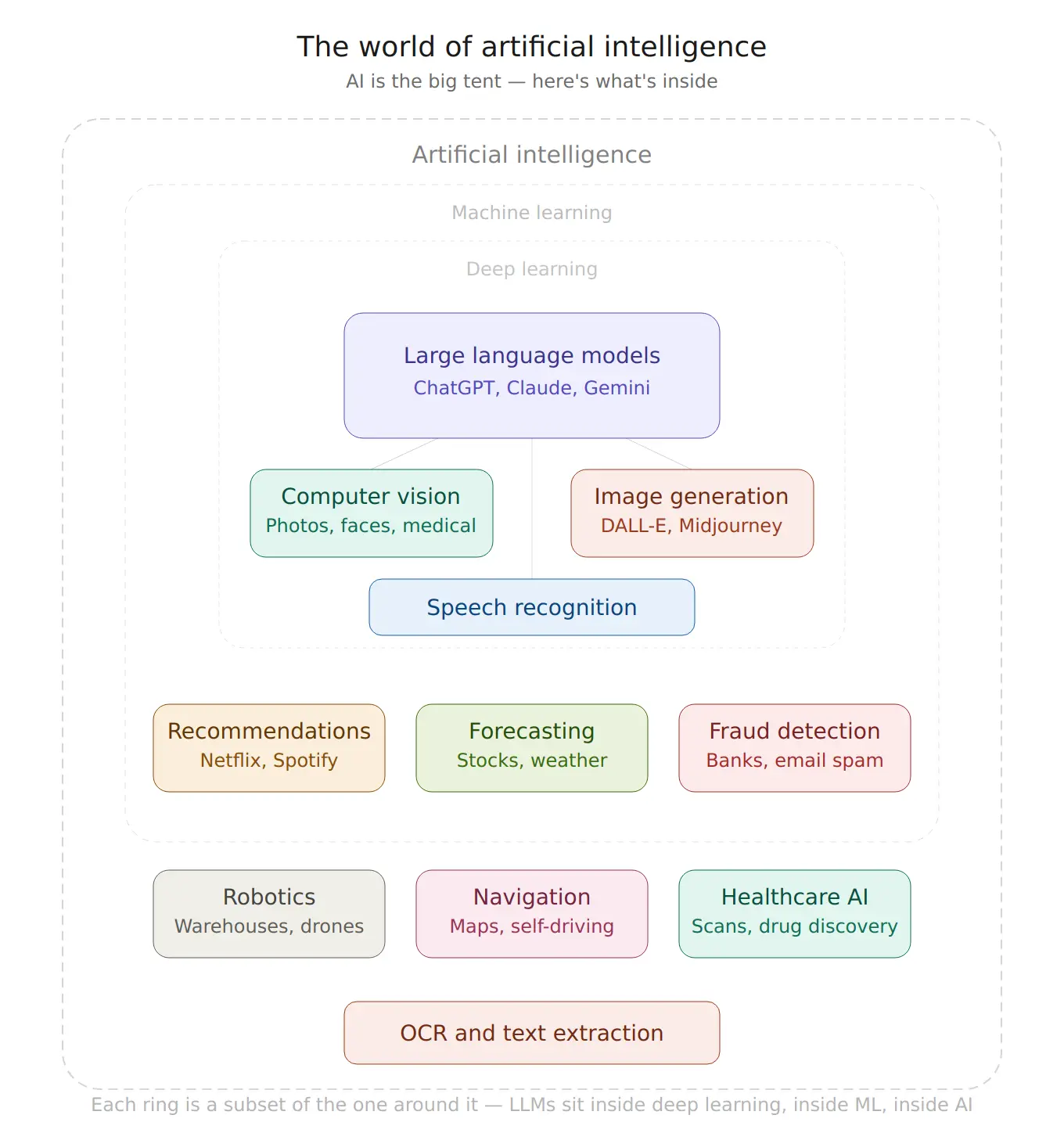
- Search over your own documents that answers questions and cites its sources (retrieval-augmented generation, or RAG), usually for well under two cents a query.
- Assistants grounded in your own records. The assistant can only cite records you actually have, every reference is checked before it's shown, and it says so plainly when the evidence is thin. See the AI knowledge platform.
- OCR and image recognition with the Google Cloud Vision API, so photos, scans and screenshots become searchable.
- AI agents for client workflows, built on DigitalOcean's AI agent platform with managed OpenSearch behind them for retrieval.
- AI steps inside the tools you already use: drafting, summarizing, and translating between formats (HL7 v2 to FHIR, CSV to a database schema), with a person reviewing the output where mistakes are expensive.
- A straight answer on whether AI fits your problem at all.
Three questions we ask first
- Does an existing tool already do this? A spreadsheet, a scheduled job, a SaaS product. Plenty of AI ideas are problems someone already solved with a database.
- What does "wrong" cost? A model that's wrong 5% of the time is fine for a first draft and unacceptable for a refund. Expensive mistakes need retrieval grounding, strict output rules, or human review.
- Can the value be measured in hours or dollars? If yes, build it. If the answer is "it'll feel modern," build something else.
Where we push back
- Open-ended chatbots handling customer transactions. Tightly scoped, retrieval-grounded systems work; hoping a bot is nice to customers doesn't.
- Meeting summaries with nowhere to go. The value is in turning decisions into tasks and follow-ups.
- Mass-produced, AI-written SEO content. Search engines are already discounting it.