Where the experience comes from
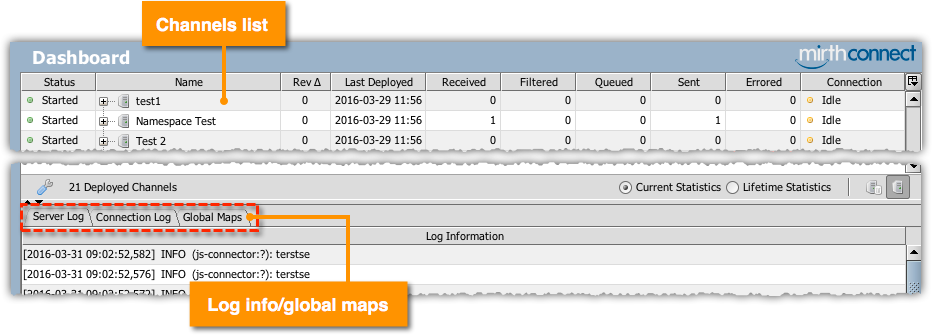
Before founding Tiempo, I spent seven years at Phynd Technologies, a healthcare technology company. I built HL7 interfaces in Mirth Connect that brought in data streams from systems like Epic, Meditech, Midas and Cactus, then moved into implementation: gathering integration requirements with clients, guiding them through UAT, building SSO with SAML 2.0, and setting up VPN connections. Later I ran a data QA team and data pipeline improvements on AWS. Along the way I managed HL7 integrations and API connections across more than 50 health systems. The full story is on the about page.
What I help with
- HL7 v2 and FHIR interfaces built and maintained in Mirth Connect: mapping, routing and transforming messages between systems that each speak their own dialect. See integrations.
- Healthcare data pipelines that import, clean and keep data streams current, on AWS or DigitalOcean.
- Implementation support for integrations with client systems: requirements, UAT, SSO with SAML 2.0, and VPN connectivity.
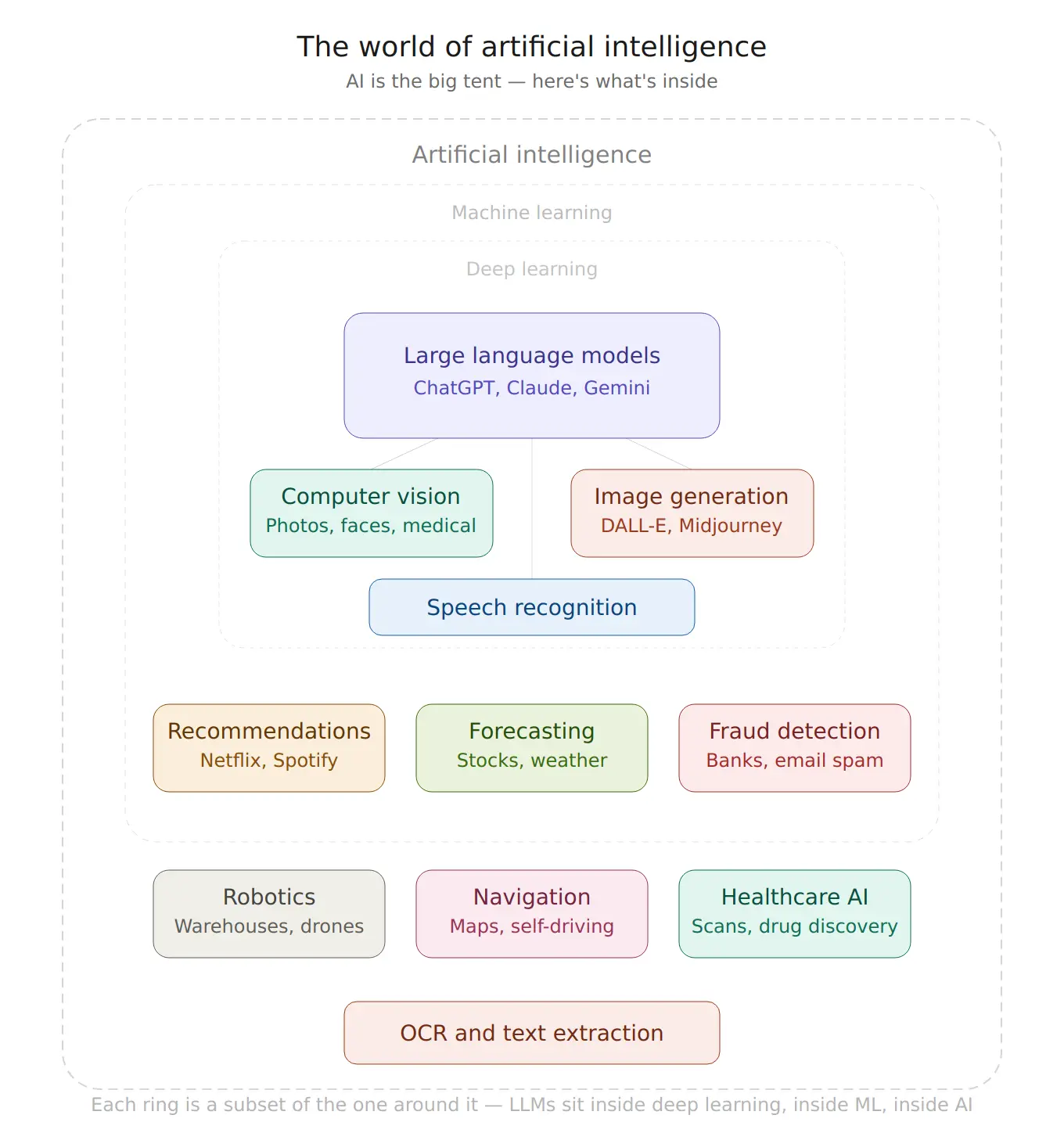
- Practical AI for tedious format translation, like HL7 v2 to FHIR, with a person reviewing the output. See AI & LLM.
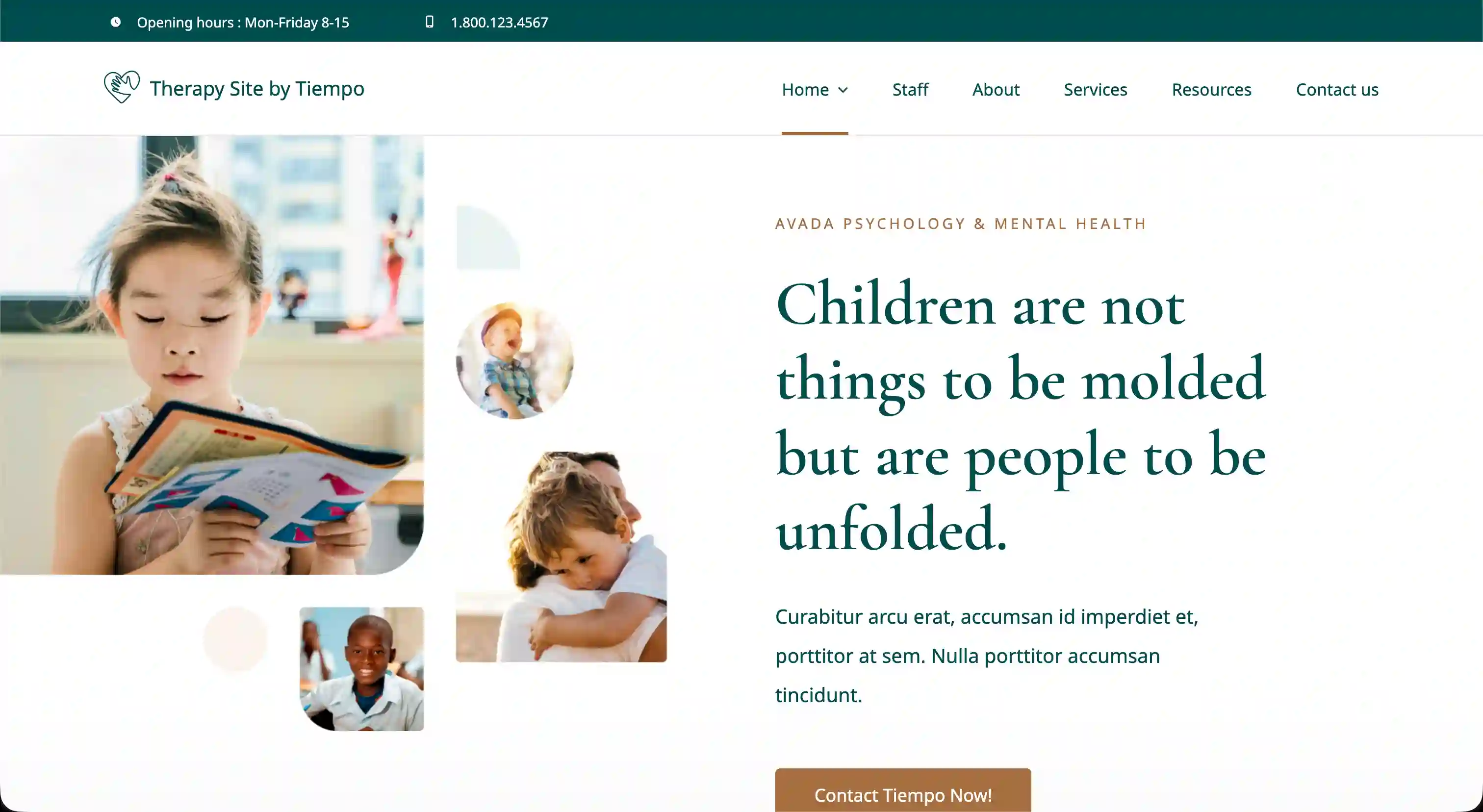
- Websites for practices, including a booking-ready template for therapists and small group practices. See the live demo.
Choosing the right engine
Mirth Connect is the open-source workhorse behind a lot of small-clinic HL7 and FHIR integrations, and it's what I've used most. It isn't always the right tool. My write-up on Mirth in practice covers what it handles well, where it gets painful, and when to reach for something else.